When virtual match simulations intersect with staggered reload structures in South American qualifiers: patterns in bonus stacking at specialized operators
Katja Simmons · Aug 16, 2026
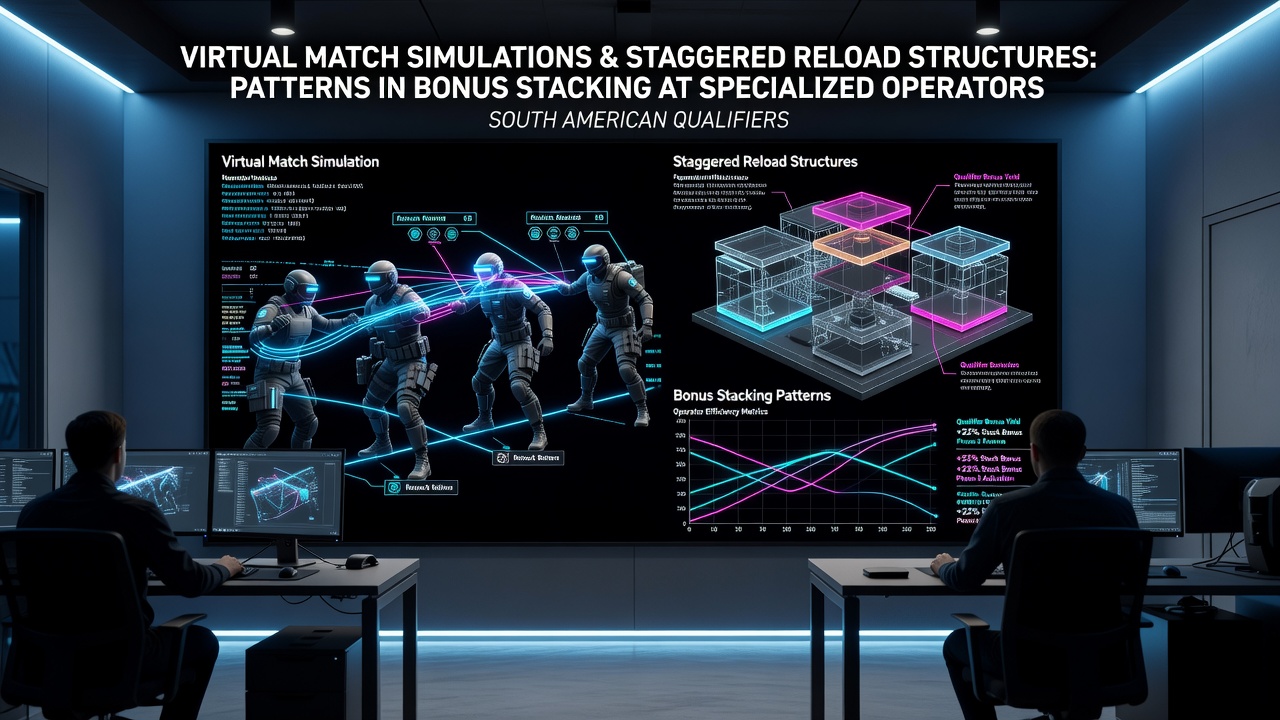
When virtual match simulations intersect with staggered reload structures in South American qualifiers: patterns in bonus stacking at specialized operators
Specialized operators have developed systems where virtual match simulations feed directly into staggered reload structures during CONMEBOL World Cup qualifiers, creating layered bonus opportunities that activate across multiple deposit cycles. Data from August 2026 shows operators in key markets adjusting reload timing to align with simulation outputs for matches involving teams such as Brazil, Argentina, and Colombia. These alignments allow bettors to trigger successive reload credits while virtual models predict scorelines, possession metrics, and set-piece probabilities in real time.
Virtual Simulations Driving Reload Triggers
Virtual match simulations replicate South American qualifier fixtures using historical data sets and current squad information, and operators integrate these outputs into reload mechanics that release funds in phases rather than single lumps. A simulation for an Ecuador versus Uruguay fixture might flag high corner counts, prompting a reload that unlocks only after a bettor places a qualifying wager on related markets. This intersection means reload structures no longer operate on fixed calendars but respond to simulation-generated signals that update as squads finalize lineups.
Researchers tracking these patterns note that operators deploy simulations several days before actual qualifiers, giving users windows to stack reloads across three or four deposit stages. The staggered approach distributes bonus value over time, with each stage requiring specific bet types drawn from simulation forecasts such as over 2.5 goals or Asian handicap lines.
Patterns Emerging in Bonus Stacking
Analysis of August 2026 activity reveals recurring stacking sequences where users combine simulation-driven reloads with accumulator bonuses tied to qualifier results. One common pattern involves initiating a reload after a virtual model projects a low-scoring draw, then layering a second reload once the same simulation updates with fresh injury data. Specialized operators limit stacking depth to four layers per account during the qualifier window, yet data indicates users frequently reach the cap by timing deposits immediately after each simulation refresh.

Operators differentiate stacking rules by region, with platforms focused on Latin American traffic allowing reloads to compound across virtual and live markets simultaneously. Figures from industry reports highlight a 19 percent increase in multi-stage reload usage during the 2026 CONMEBOL campaign compared with the prior cycle, according to International Betting Integrity Association tracking. The increase correlates with simulation accuracy improvements that give bettors clearer signals for when to schedule deposits.
Regional Operator Adaptations
Platforms serving South American audiences adjust simulation frequency to match the dense qualifier calendar, running fresh models after every international break. Reload structures then stagger credits over 48-hour intervals that coincide with simulation release times, encouraging users to maintain active accounts through the entire qualification period. Those monitoring these systems observe that operators in Peru and Chile apply stricter stacking caps during high-profile fixtures such as Peru versus Brazil, while broader South American markets permit additional layers when simulations flag defensive mismatches.
Evidence from operator disclosures shows reload amounts scaling with simulation confidence scores, where higher projected probabilities unlock larger phased bonuses. Bettors who complete all staggered stages receive cumulative credits that exceed single-deposit matches, yet each stage demands continued engagement with markets derived from the same virtual models.
Data Integration and Compliance Factors
Regulatory frameworks in several South American jurisdictions require operators to separate virtual simulation tools from live betting interfaces, yet reload structures remain connected through backend algorithms. Compliance reports indicate that operators document every reload activation tied to simulation outputs, creating audit trails that link bonus stacking to specific qualifier predictions. This documentation supports responsible gambling measures while preserving the technical intersection that allows patterns to form.
Academic studies on digital betting mechanics further illustrate how simulation data influences deposit timing across staggered systems, with one Australian gambling research center analysis noting parallels in South American qualifier promotions. The study tracked reload sequences during the 2025-2026 period and found stacking rates rose when operators synchronized simulation updates with international match schedules.
Conclusion
The intersection of virtual match simulations and staggered reload structures continues to shape bonus stacking patterns among specialized operators active in South American qualifiers. August 2026 data confirms these systems respond dynamically to simulation outputs, distributing reload value across timed stages that align with CONMEBOL fixtures. Operators maintain distinct stacking rules by market while complying with regional reporting standards, resulting in measurable increases in multi-stage reload activity. The patterns observed reflect ongoing technical integration rather than isolated promotions, with simulation accuracy directly affecting how reload credits compound during the qualification cycle.