Tracing Virtual League Simulations as Testing Grounds for Layered Bonus Mechanics in Niche Asian Markets
Quinn Albrecht · Jul 1, 2026
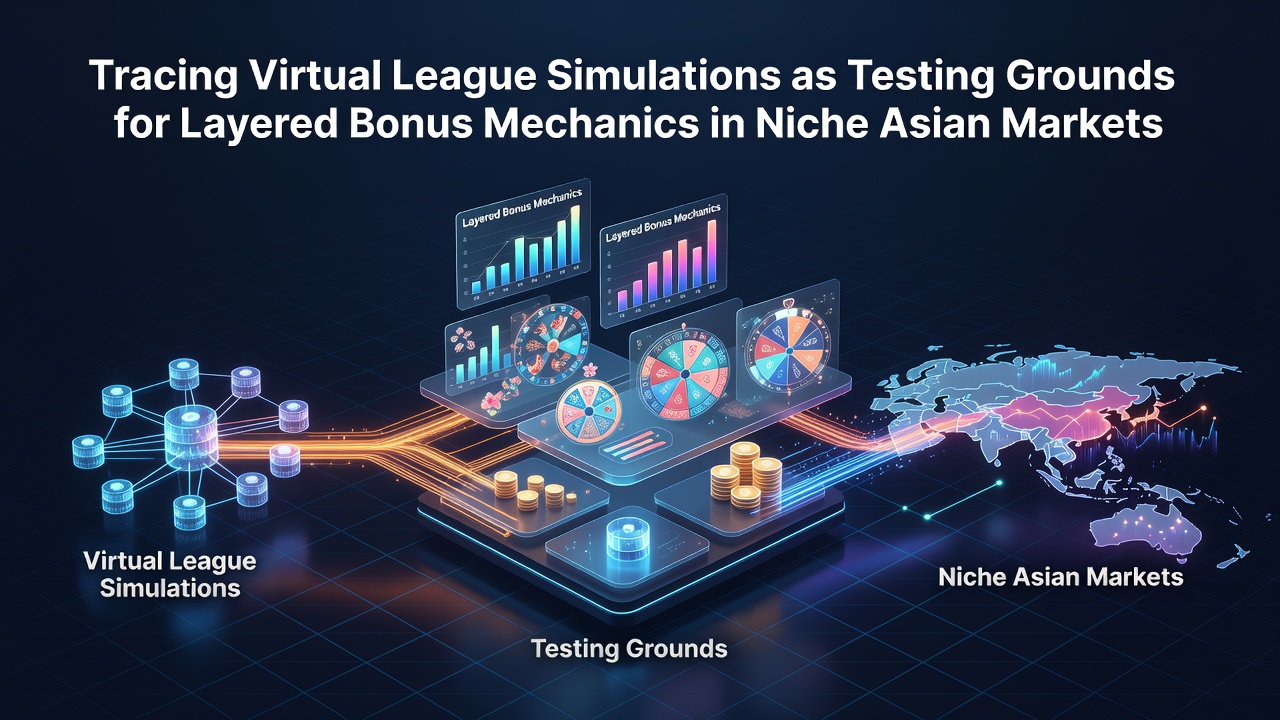
Tracing Virtual League Simulations as Testing Grounds for Layered Bonus Mechanics in Niche Asian Markets
Virtual league simulations operate continuously across multiple time zones, which creates consistent data streams that operators use to evaluate complex promotional frameworks before deploying them in live environments. In several niche Asian markets these simulations function as controlled laboratories where layered bonus mechanics receive repeated testing under variable conditions including fluctuating participation rates and changing user behaviors. Researchers have documented how platforms in Vietnam, Indonesia, and parts of Malaysia run thousands of simulated match cycles each month to measure how deposit matches, cashback tiers, and conditional odds boosts interact when combined.
Mechanics Behind Virtual Testing Environments
Virtual leagues generate results through algorithmic models that replicate real sporting outcomes while eliminating external variables such as weather delays or player injuries. Operators record every bonus redemption, wager size, and retention interval during these cycles, then adjust parameters such as bonus expiration windows or stacking limits based on observed patterns. Data collected during July 2026 showed participation spikes in simulated Southeast Asian leagues that aligned closely with regional payment cycle dates, allowing teams to refine reload structures ahead of actual fixture congestion periods. Those who've studied these systems note that the 24-hour availability of virtual events compresses testing timelines from weeks into days.
Layered Bonus Configurations Under Examination
Layered bonuses combine multiple incentives into single user journeys, for instance pairing an initial deposit match with a midweek cashback trigger and a performance-based odds multiplier. In simulated environments operators isolate each layer to determine whether simultaneous activation increases average session length or merely fragments player spend across competing offers. Evidence from platform logs indicates that certain combinations produce higher engagement when the cashback threshold sits at 40 percent of the initial matched amount, whereas higher thresholds correlate with reduced repeat activity in the same cohort. Observers note that these findings emerge only after repeated simulation runs that track identical user profiles across dozens of virtual matchdays.
Regional Market Characteristics Shaping Adoption
Niche Asian jurisdictions often maintain distinct regulatory sandboxes that permit virtual product testing under narrower licensing conditions than those applied to traditional sportsbooks. In Indonesia, for example, operators have expanded simulation-based trials in response to mobile penetration rates that exceed 70 percent among the target demographic. Similar patterns appear in Thai and Vietnamese markets where localized payment rails integrate directly with virtual platforms, allowing real-time measurement of bonus uptake following deposit confirmation. A 2026 industry overview published by the Asia-Pacific Institute for Gambling Studies highlighted how these markets serve as early indicators for bonus performance because user acquisition costs remain lower than in saturated European environments.
Data Patterns Emerging From Prolonged Simulation Runs
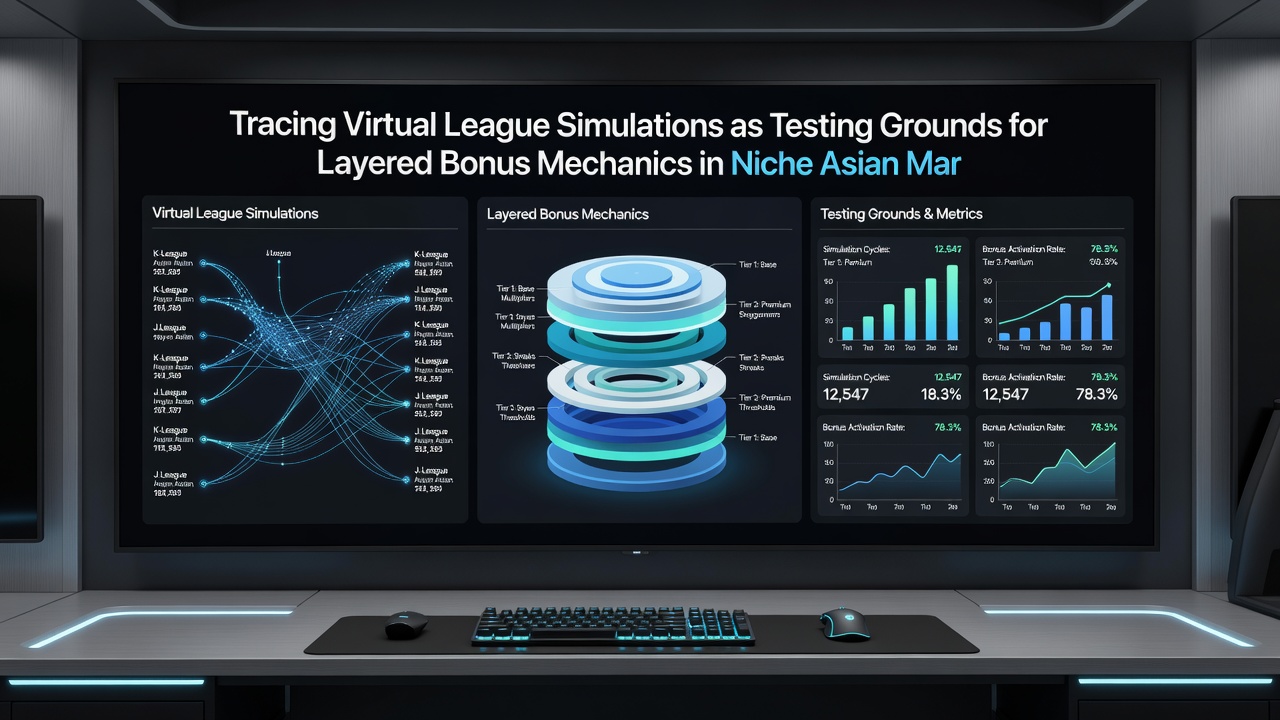
Retention curves generated from simulation data reveal that players who activate two or more bonus layers within the first three virtual match cycles demonstrate longer platform tenure compared with single-layer users. Yet the same datasets show elevated bonus liability when three or more layers activate concurrently, prompting operators to introduce conditional caps that reset after each simulated round. During July 2026 several platforms reported that adjusting the timing of cashback triggers to coincide with virtual half-time intervals produced measurable lifts in average bet frequency without increasing overall payout ratios. These adjustments rely on granular tracking that only continuous simulation environments can supply at scale.
Integration With Payment and Regulatory Infrastructure
Payment providers in these markets often require documented testing periods before approving new promotional flows, which further elevates the role of virtual leagues. Operators submit simulation summaries to local authorities that detail projected bonus exposure and player protection measures. The approach aligns with frameworks maintained by regulators in the Philippines and Macau, where virtual products fall under separate compliance categories from live event betting. One research collaboration between the University of Macau and regional operators examined how simulation-derived metrics inform responsible gambling thresholds, particularly around maximum bonus stacking limits that appear in user-facing terms.
Future Trajectories for Simulation-Driven Promotion Design
Continued refinement of algorithmic models promises greater fidelity between virtual outcomes and live market behavior, which may shorten the interval between testing and full deployment. Operators continue to expand the range of variables tracked during each cycle, incorporating session heatmaps, device type distributions, and time-of-day engagement clusters. The resulting datasets support iterative improvements to layered mechanics that remain responsive to regional calendar events such as national holidays or league suspension periods. Evidence accumulated through these processes indicates that virtual league environments will retain their position as primary validation tools for promotional strategies targeting niche Asian audiences.
Conclusion
Virtual league simulations supply operators with repeatable, high-volume environments where layered bonus mechanics undergo systematic evaluation before wider release. Markets across Southeast Asia continue to supply the regulatory flexibility and user demographics that make these testing protocols effective. Ongoing data collection through July 2026 and beyond will likely shape the next generation of multi-component promotions designed for mobile-first audiences in the region.