Shifts in Reward Allocation Strategies Amid Growing Competition in Worldwide Football Markets
Quinn Albrecht · Jul 17, 2026
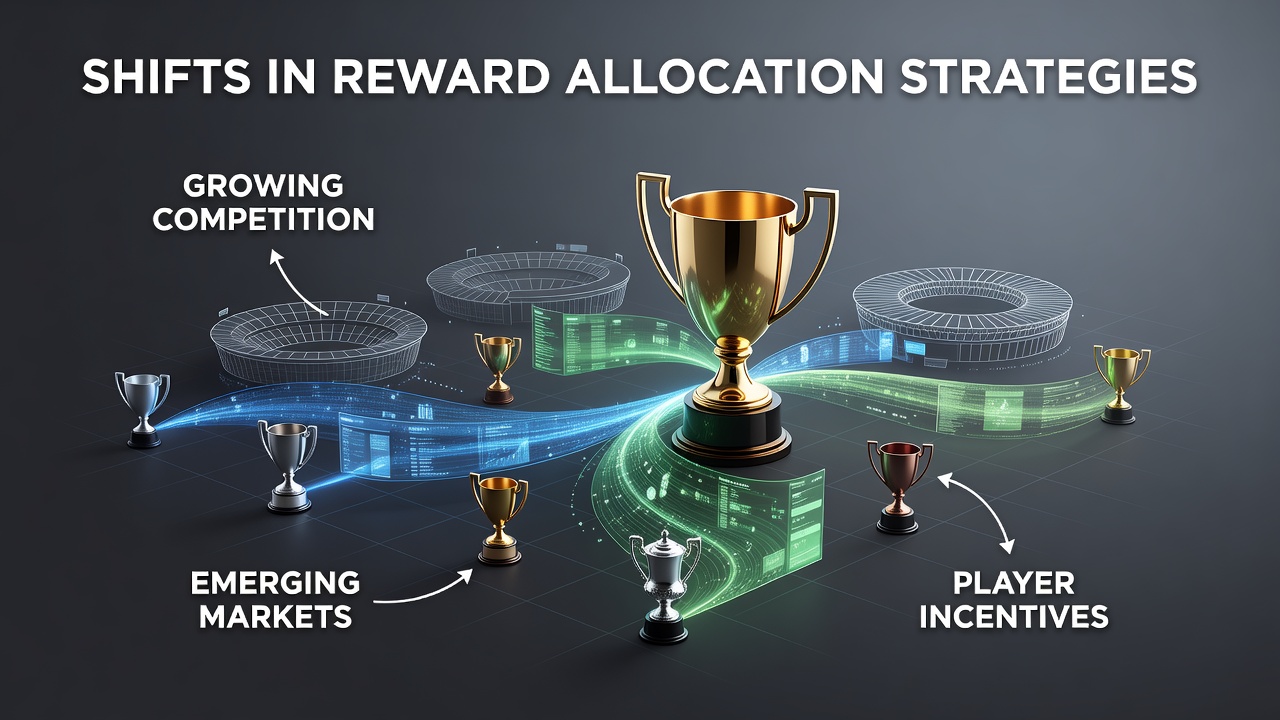
Shifts in Reward Allocation Strategies Amid Growing Competition in Worldwide Football Markets
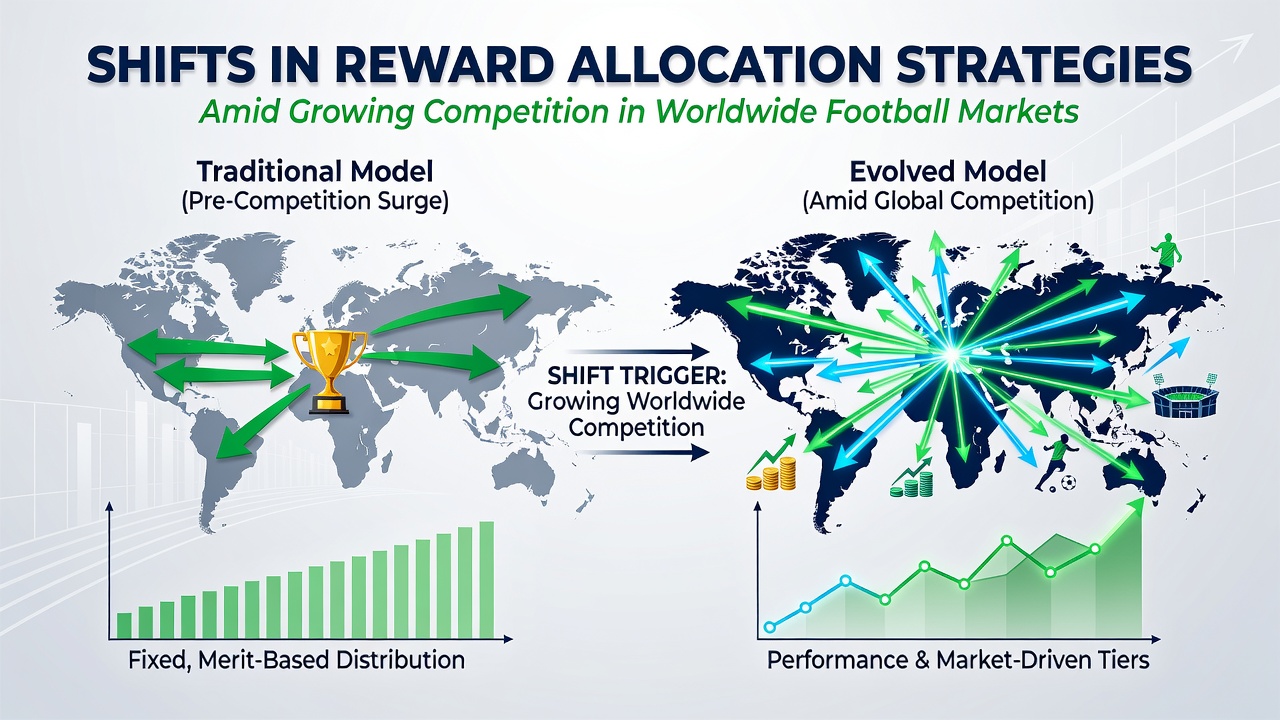
Football betting operators across multiple continents have adjusted their reward allocation approaches since early 2025, and these changes accelerated through July 2026 as new entrants and established platforms competed for market share in saturated regions, according to industry data from the European Gaming and Betting Association. Traditional deposit-match offers gave way to layered systems that distribute value across longer customer lifecycles, and this transition reflects broader patterns observed in both mature European leagues and emerging Asian markets where user acquisition costs continued to rise.
Researchers at several academic institutions tracking global sports betting noted that operators now prioritize ongoing engagement metrics over initial sign-up volume, which has led to increased deployment of tiered loyalty structures tied directly to betting frequency and stake levels. Data compiled by the American Gaming Association shows that platforms operating in multiple jurisdictions allocated roughly 35 percent more budget toward retention programs in the first half of 2026 compared with the same period in 2024, while spending on one-time welcome incentives declined proportionally.
Regional Variations in Strategy Deployment
European operators managing Premier League and Bundesliga fixtures introduced performance-linked cashback mechanisms that scale with weekly activity thresholds, whereas platforms focused on South American leagues emphasized accumulator insurance features that return stakes when specific conditions are met. These differences arise because regulatory environments and consumer preferences vary significantly; observers tracking the Australian market reported similar patterns where operators shifted resources toward in-play reward triggers during A-League matches to maintain engagement amid heightened competition from international brands.
Market reports indicate that operators in Southeast Asia have adopted hybrid models combining free bet credits with predictive game elements, and these structures often activate during high-profile UEFA Champions League weeks when fixture density increases overall handle. The International Betting Integrity Association documented a 22 percent rise in such integrated reward types across monitored jurisdictions between January and July 2026, linking the increase to competitive pressure from both licensed and gray-market platforms.
Technology Integration and Data-Driven Allocation
Advanced analytics platforms now allow operators to segment users based on behavioral patterns, which enables more precise distribution of rewards such as personalized odds boosts or targeted reload credits. One study from a European research consortium found that platforms using real-time modeling tools achieved higher retention rates when rewards aligned with individual risk profiles rather than blanket promotions applied across entire user bases. This approach reduces overall promotional spend while maintaining perceived value, and several major operators confirmed deployment of such systems ahead of the 2026 FIFA World Cup qualifying windows.
North American operators, particularly those licensed in states with established soccer betting, have incorporated micro-rewards that trigger after specific in-game events like corner counts or card accumulations, and these features integrate directly with bet-builder interfaces. Figures from regulatory filings reveal that such granular allocation methods grew by 18 percent year-over-year in licensed markets through mid-2026, reflecting efforts to differentiate offerings in crowded digital spaces.
Impact on Operator Economics and Market Dynamics
Competition has compressed margins on standard welcome offers, prompting many platforms to redirect capital toward rewards that encourage sustained play across multiple competitions. Observers at the Canadian Gaming Association noted that operators serving both domestic and cross-border football audiences reported improved customer lifetime value metrics after implementing staggered reward schedules that unlock additional benefits at monthly milestones. This method spreads allocation costs while building habitual engagement, and similar tactics appeared in reports covering Scandinavian leagues where seasonal fixture congestion creates opportunities for timed promotions.
Global expansion forecasts suggest that markets in Africa and the Middle East will see further diversification of reward types as local operators partner with international technology providers. Evidence from industry roundtables indicates that these partnerships often focus on mobile-first reward delivery systems capable of handling rapid fixture turnovers typical in international tournament periods.
Conclusion
Worldwide football markets continue to drive innovation in how operators allocate rewards, with data showing clear movement toward personalized, engagement-focused models that respond directly to competitive intensity. As regulatory frameworks evolve and new platforms enter established territories, allocation strategies are expected to incorporate additional variables such as predictive analytics and cross-league bundling, according to ongoing monitoring by multiple trade organizations. These developments position reward systems as central tools for differentiation rather than simple acquisition mechanisms in the current landscape.