Mobile App Algorithms Tailoring Reload Incentives to Copa Sudamericana Underdog Trends at South American Platforms
Otto Wolf · Jul 26, 2026
Mobile App Algorithms Tailoring Reload Incentives to Copa Sudamericana Underdog Trends at South American Platforms
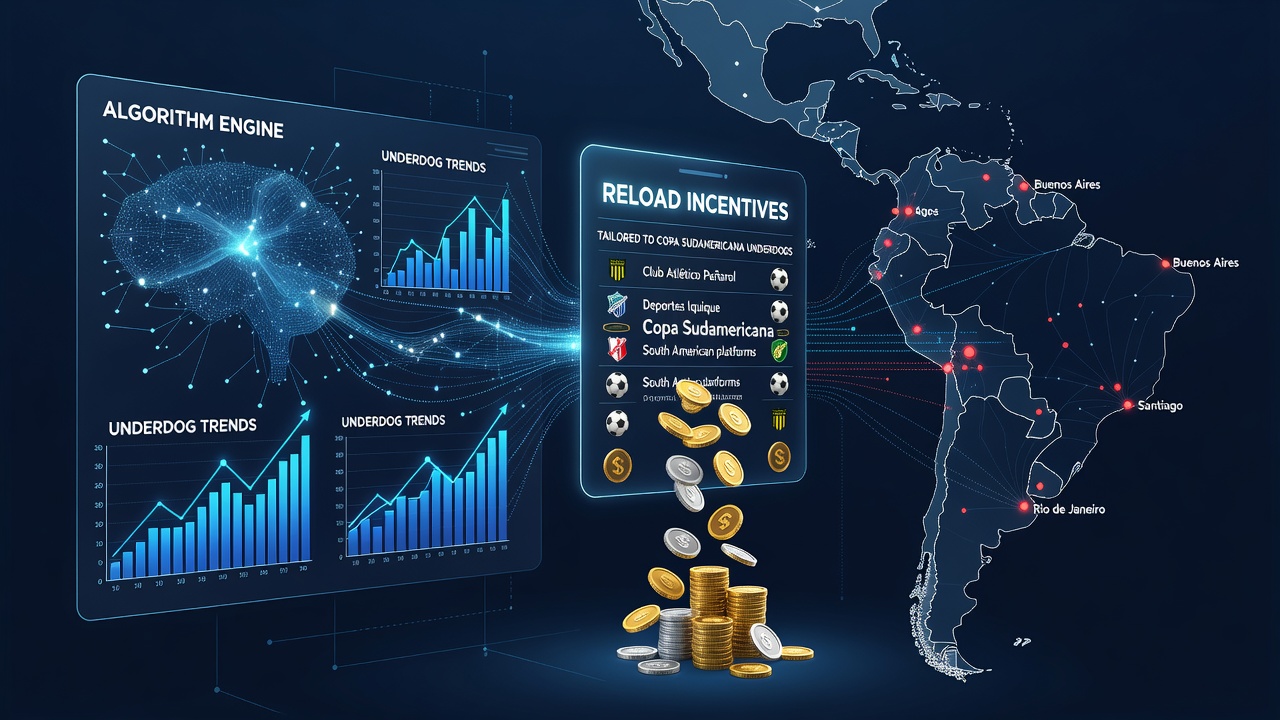
Algorithms embedded in mobile betting applications across South American markets adjust reload incentives based on performance patterns from the Copa Sudamericana tournament. These systems analyze historical match data and real-time user behavior to modify bonus structures tied to underdog selections. Observers note that platforms in Brazil, Argentina, and Chile integrate such tools to align promotions with fixture outcomes where lower-seeded teams achieve unexpected results.
Copa Sudamericana Patterns and Data Inputs
The Copa Sudamericana features clubs from across the continent, and records from recent editions indicate that underdog teams secure favorable results in roughly 28 percent of group-stage matches. Platforms feed these statistics into machine-learning models that track variables including home-away differentials, goal differentials from prior rounds, and betting volume on specific fixtures. Researchers at institutions such as the University of São Paulo have documented how these datasets inform incentive calibration during the July 2026 group phase.
Reload bonuses typically activate when users deposit additional funds after an initial session. Algorithms modify the percentage or wagering requirements attached to these deposits when underdog trends emerge in the tournament calendar. For instance, a system might elevate a standard reload match by 15 percent for accounts that previously placed wagers on teams ranked outside the top half of their domestic leagues.
Technical Mechanisms Behind Incentive Adjustments
Development teams at regional operators employ decision-tree and neural-network architectures to process live feeds from match trackers. These models weigh factors such as expected goal metrics, set-piece conversion rates, and historical upset frequencies before outputting updated reload parameters. Data from the Argentine Dirección Nacional de Juegos shows increased reload activity during weeks when multiple Copa Sudamericana ties feature pronounced favorite-underdog mismatches.
Users receive personalized notifications through the app interface when the algorithm detects alignment between their deposit patterns and current tournament trends. The process occurs without manual intervention, as the software continuously refines thresholds using accumulated session data from thousands of accounts.
Regional Platform Implementations
Operators licensed in Brazil following the 2024 regulatory framework apply these algorithms to comply with local responsible-gaming parameters while responding to Copa Sudamericana dynamics. Similar structures appear on Chilean and Colombian platforms, where reload offers expand when underdog win rates exceed seasonal averages. Industry reports from the Latin American Gaming Association highlight that such tailoring correlates with sustained user retention across the July tournament window.
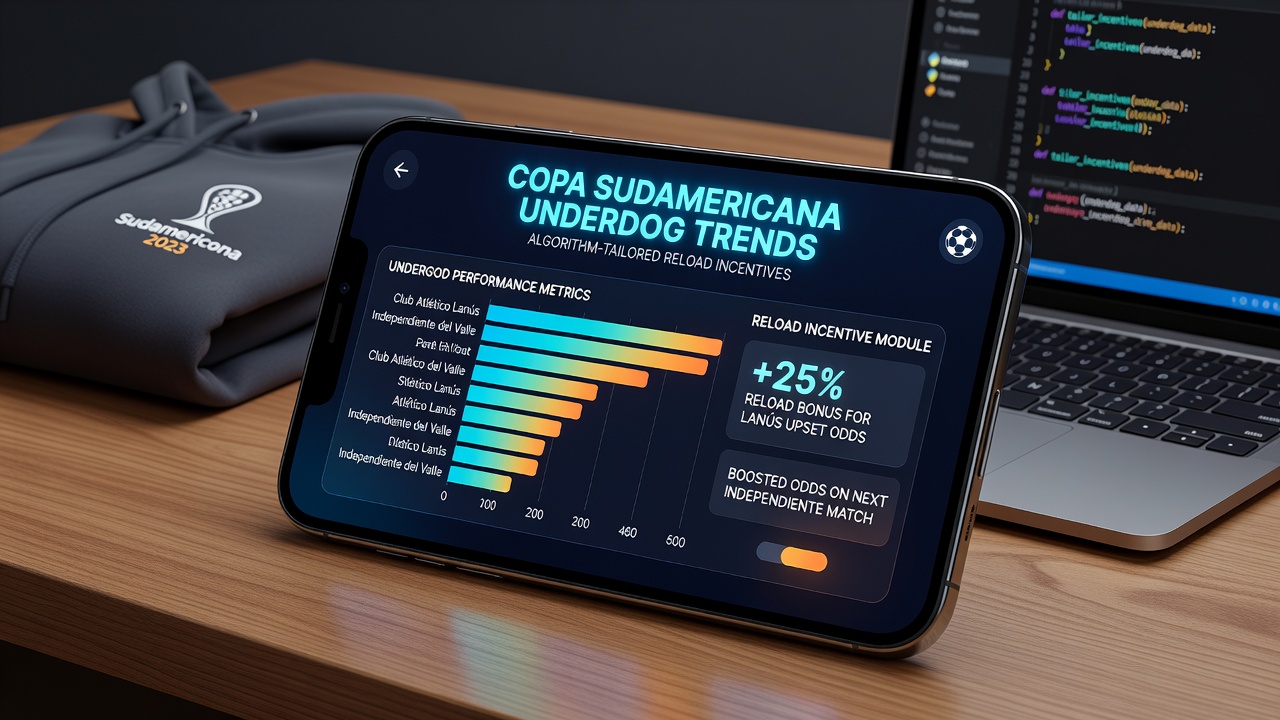
One documented approach involves segmenting users into cohorts based on historical wager sizes and preferred markets. When the algorithm identifies rising underdog momentum in a particular matchweek, it triggers higher-value reload credits exclusively for the relevant cohort. This segmentation draws on anonymized transaction logs rather than individual identifiers to maintain compliance standards.
Integration with Broader Market Trends
Statistical modeling adopted by niche South American sportsbooks extends beyond Copa Sudamericana to encompass parallel competitions, yet the tournament supplies a concentrated dataset during its annual cycle. Evidence from platform analytics indicates that reload uptake rises when incentives synchronize with fixtures exhibiting elevated underdog probabilities. These adjustments remain bounded by regulatory caps established in each jurisdiction.
External validation of the underlying data sources appears in reports issued by the Chilean Superintendencia de Casinos de Juego, which tracks aggregate betting volumes during continental tournaments. The figures reveal measurable shifts in deposit timing that coincide with algorithm-driven reload modifications.
Future Developments in Algorithmic Incentive Design
Continued refinement of these systems incorporates additional variables such as weather conditions at match venues and travel distances between competing clubs. Developers test updated models against archived Copa Sudamericana results to improve predictive accuracy. Platforms maintain transparency requirements by disclosing that reload parameters may fluctuate according to tournament analytics.
Conclusion
Mobile applications serving South American betting markets utilize algorithmic frameworks to connect Copa Sudamericana underdog statistics with reload incentive structures. These processes rely on aggregated performance data and user behavior metrics to generate dynamic offers. Regulatory oversight from bodies across the region ensures that such tailoring adheres to established operational guidelines while supporting platform functionality throughout the 2026 tournament period.