How verification timelines intersect with rollover thresholds in emerging African football prop markets
Ulrich Günther · Jul 31, 2026
How verification timelines intersect with rollover thresholds in emerging African football prop markets
Verification processes in growing African betting environments
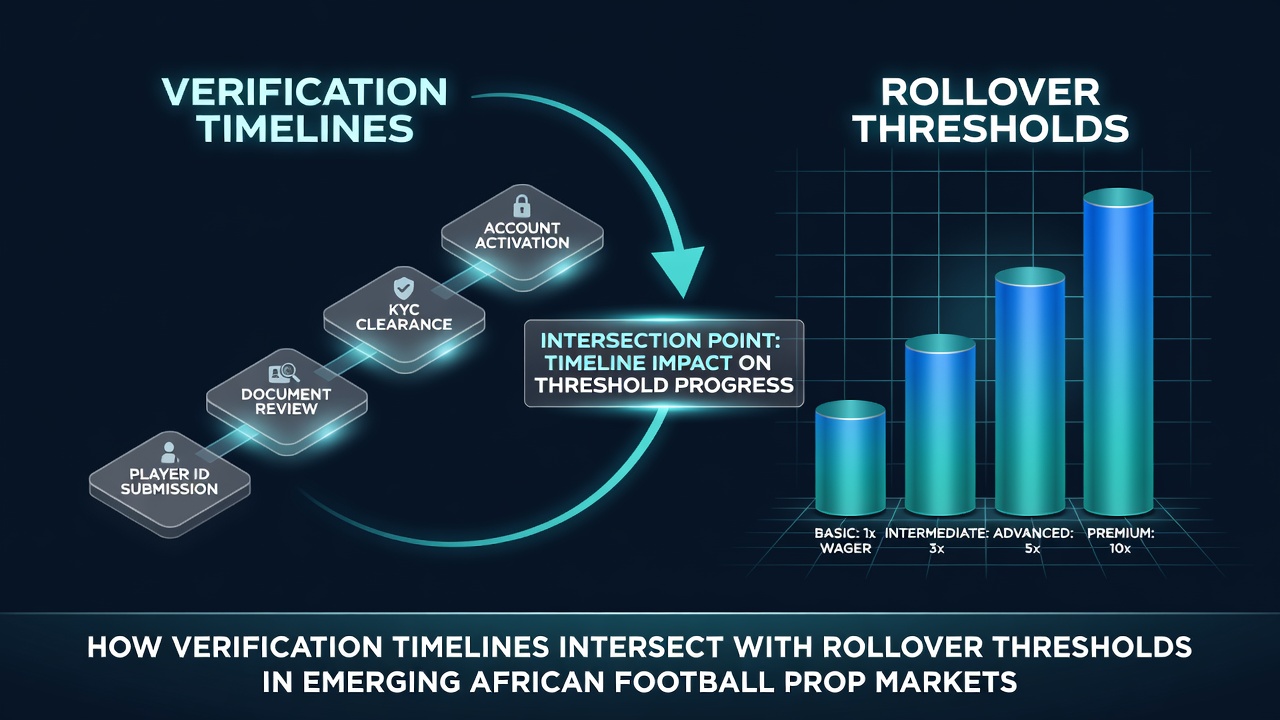
Operators across Nigeria, Kenya, and Ghana require identity checks that often span three to seven business days before full account activation occurs, and these timelines directly shape how bettors can access and complete rollover requirements on player prop wagers. Data from mid-2026 shows that delays in document approval frequently push users past the initial seven-day window many platforms set for clearing bonus thresholds on goalscorer or assist props. Regulatory filings indicate that mobile verification tools adopted in July 2026 reduced average processing times by 18 percent in select markets, yet manual reviews for high-volume accounts still create bottlenecks that affect rollover progress.
Rollover thresholds applied to football prop offers
Platforms typically set rollover multiples between 8x and 12x on deposit bonuses when those funds go toward prop markets, with separate caps on maximum stake sizes per player performance bet. Observers note that these structures force bettors to generate sufficient turnover within the bonus validity period, and any verification hold-up cuts into the available calendar days. Figures from regional operators reveal that prop market volume in emerging African leagues rose 27 percent year-over-year through June 2026, driven by increased live betting on assists and shots on target. Those who complete verification within 48 hours gain a measurable edge in meeting the required turnover before expiration dates arrive.
Intersection points that shape user outcomes
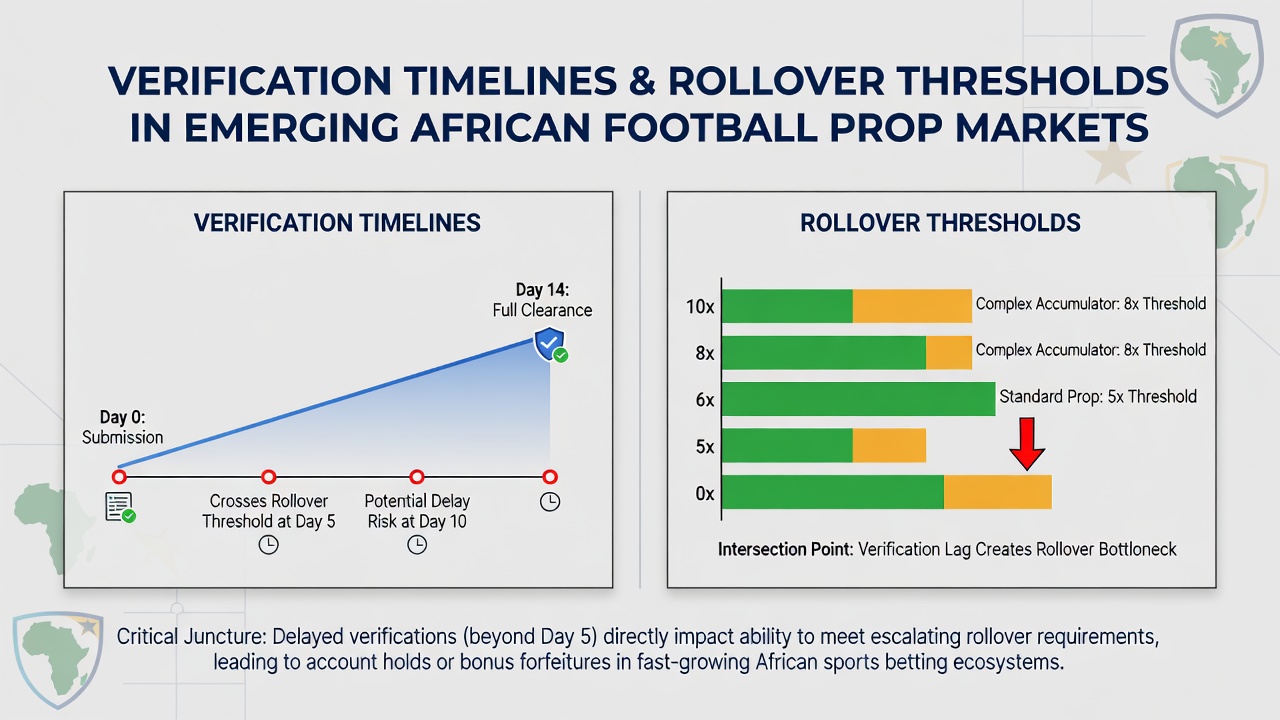
When verification extends beyond four days, many accounts lose access to boosted prop odds or cashback layers that operators tie to early rollover completion. Research from the University of Cape Town highlights how staggered approval stages create uneven playing fields, especially for users in rural areas where network connectivity slows upload speeds. Operators respond by offering provisional balances during review periods, although these provisional funds often carry stricter stake limits on props until full clearance arrives. The result appears in aggregate data showing a 14 percent drop in completed rollovers among accounts verified after the fifth day.
Regional regulatory influences on timelines
Kenya's Betting Control and Licensing Board updated its digital compliance guidelines in early 2026, requiring operators to process 80 percent of verifications within 72 hours or face penalties. Those standards align with similar moves in Tanzania and Uganda, where authorities now mandate transparent reporting on approval rates. Industry reports indicate that platforms meeting these benchmarks see higher retention among prop market users, because faster clearance allows bettors to engage with weekend fixtures before rollover clocks reset. Meanwhile, South African operators operating across borders report that cross-jurisdictional document checks add an average of two extra days, complicating efforts to hit 10x thresholds on multi-league player props.
Practical adjustments operators and users make
Some platforms introduced tiered verification that unlocks partial rollover credit after initial ID upload, with remaining requirements cleared upon address confirmation. This approach reduces friction for casual prop bettors who focus on lower-stake markets. Data shows that accounts using this partial pathway complete their thresholds 22 percent more often than those waiting for full approval. At the same time, users in high-volume markets have shifted toward prepaid verification services that fast-track document checks for a small fee, effectively shortening the intersection window between verification and rollover deadlines. Operators track these patterns through internal dashboards that flag accounts at risk of missing deadlines.
Market data trends through mid-2026
Figures released in July 2026 by regional analytics firms indicate that prop market bonuses now represent 31 percent of all promotional volume in the tracked African jurisdictions. Verification-related rollover shortfalls account for an estimated 9 percent of unclaimed bonuses during the same period. Those numbers suggest the intersection remains a measurable factor in overall market efficiency, particularly as more operators expand live prop offerings during African league seasons. Continued rollout of biometric verification tools is projected to compress average timelines further by the end of the year.
Conclusion
Verification timelines and rollover thresholds continue to intersect in measurable ways across emerging African football prop markets. Regulatory updates, operator tools, and user adaptations each influence how quickly accounts move from approval to completed turnover. The patterns documented through 2026 provide a baseline for understanding how these mechanics evolve alongside expanding prop betting options in the region.