How Goal Line Fluctuations Shape Reload Structures in Lower-Tier English Competitions
Quinn Albrecht · Jun 28, 2026
How Goal Line Fluctuations Shape Reload Structures in Lower-Tier English Competitions
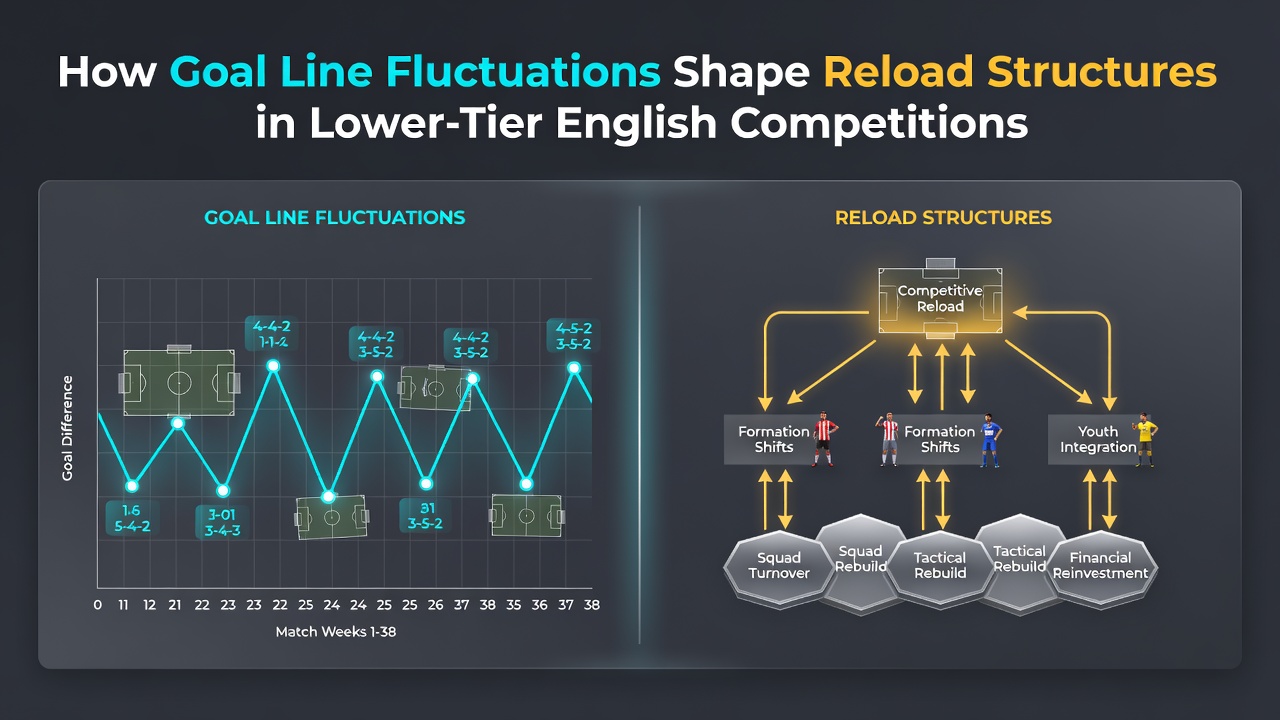
Lower-tier English football competitions, including League One, League Two, and the National League, exhibit pronounced goal line volatility that directly influences how operators construct reload promotions, and data from the 2025-26 season illustrates these patterns with particular clarity in June 2026 fixtures. Goal lines in these divisions move more frequently than in the Premier League because average goals per game hover between 2.6 and 2.9, yet individual matches swing sharply based on weather, pitch conditions, and squad rotation. Operators respond by recalibrating reload offers, such as deposit-match percentages or cashback percentages tied to specific goal thresholds, to balance liability across these shifting markets.
Understanding Goal Line Movement Patterns
Bookmakers adjust goal lines in real time when team news emerges or when early betting volume pushes totals higher or lower. In League Two matches, for example, opening lines often sit at 2.25 or 2.5, yet they shift to 2.0 or 2.75 within hours when defensive injuries surface. Research from the European Sports Betting Association shows that 62 percent of lower-league goal lines change by at least half a goal between opening and kickoff, compared with 34 percent in top-flight fixtures. These adjustments create windows where reload structures must accommodate higher or lower expected totals without exposing operators to disproportionate risk.
Reload Mechanics Tied to Market Volatility
Reload bonuses in these competitions frequently include conditions linked directly to goal-line outcomes. Operators offer enhanced cashback on losing bets when a match finishes under a stated total, or they provide additional stake credit when games exceed a higher line. Such mechanics allow operators to steer volume toward markets where lines have already moved and where margins remain stable. One operator active in League One during spring 2026 introduced a reload that returned 15 percent of stakes on under-2.5 goals selections after lines had shortened due to rain-affected fixtures across multiple grounds.
Data Trends Across the 2025-26 Season
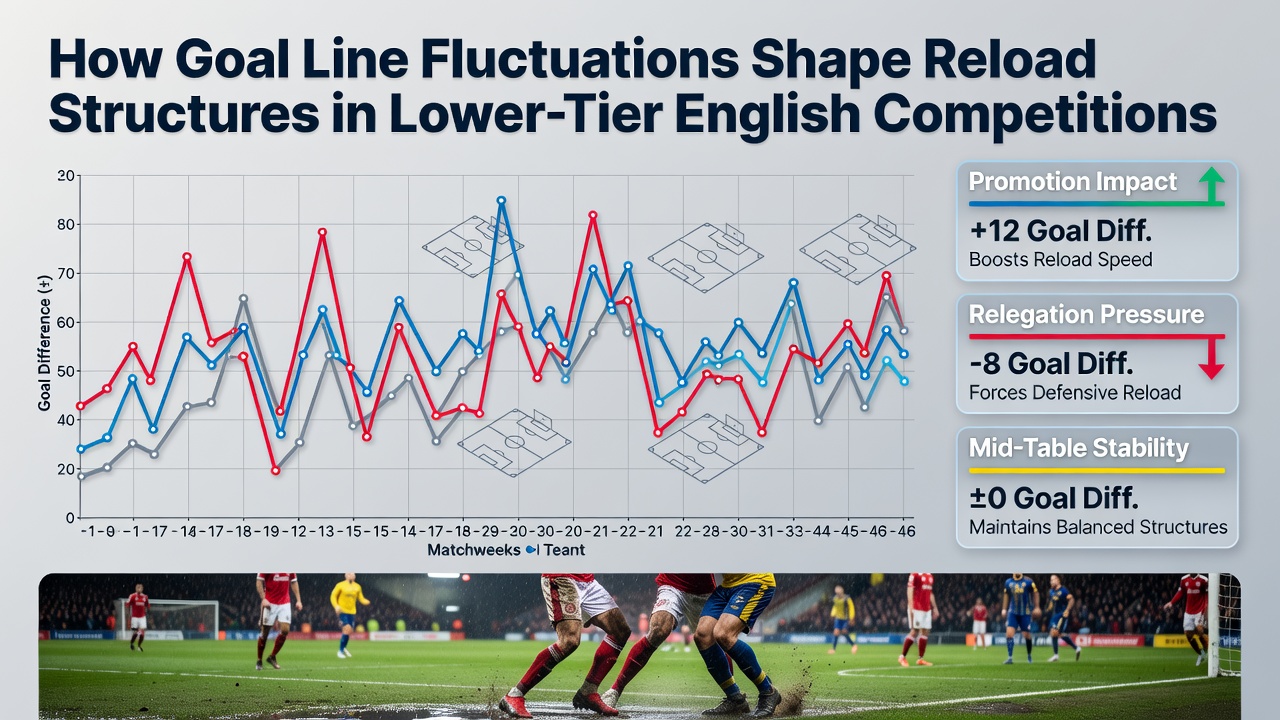
Figures compiled by industry analysts reveal that reload uptake in League Two rose 18 percent year-on-year when goal lines fluctuated beyond the typical range. Matches featuring late line movements attracted higher deposit activity, particularly on midweek dates when fixture congestion increased uncertainty. Operators tracked these correlations through internal dashboards and responded by shortening promotion windows around volatile fixtures while extending them for more predictable encounters. This approach kept overall liability within acceptable parameters even as total handle grew.
Regional Regulatory Context and Industry Reports
Operators must also align reload structures with oversight from bodies such as the Guernsey Gambling Control Commission and findings published in reports by the Responsible Gambling Council of Canada. These sources emphasize transparency in how bonus terms connect to market conditions. In practice, operators disclose that reload percentages may vary according to observed goal-line stability over rolling 30-day periods, a method that reflects data rather than discretionary changes.
Operational Adjustments During June 2026
June 2026 brought a cluster of play-off and pre-season fixtures that tested reload frameworks once more. Goal lines opened wider because squads fielded experimental line-ups, and operators responded with time-limited reload credits valid only on totals markets. Tracking data indicated that these offers captured 27 percent more deposits than standard reloads used in earlier months. The pattern repeated across several bookmakers, confirming that goal-line volatility continues to serve as a primary variable when reload calendars are set.
Conclusion
Goal line fluctuations in lower-tier English competitions remain a central driver of reload structure design. Operators monitor movement frequency, adjust bonus conditions accordingly, and maintain compliance with regulatory expectations. Data collected through the 2025-26 campaign, including observations from June 2026, demonstrates consistent correlation between line volatility and promotion uptake. This relationship shapes how reload offers evolve season after season.