Coordinating Multi-Layered Incentives with Performance Metrics in Youth Academy Football Showdowns
Cameron Wagner · Jul 3, 2026
Coordinating Multi-Layered Incentives with Performance Metrics in Youth Academy Football Showdowns
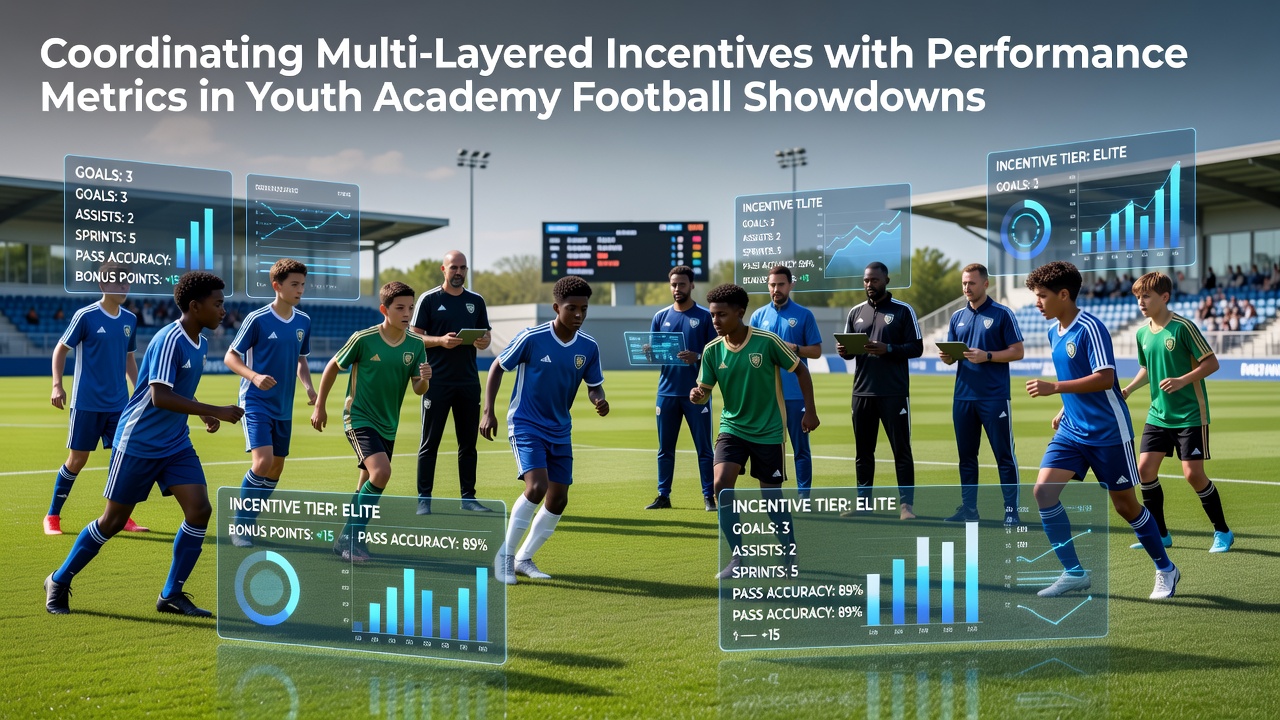
Youth academy football showdowns have become testing grounds where clubs align incentive structures directly with measurable performance indicators, and data from these events shapes development pathways across multiple age groups. Observers note that academies in Europe and beyond track variables such as pass accuracy, defensive recoveries, and transition speed during high-stakes matches, then link those figures to reward tiers for players and coaching staff alike.
Coaches receive layered bonuses when teams exceed thresholds in key areas, while players earn progression credits that influence contract extensions and scholarship decisions. Research from sports science programs shows academies that integrate these systems report steadier improvements in collective metrics over single seasons, particularly when incentives span both individual and team outputs.
Core Performance Metrics Tracked in Academy Showdowns
Academies standardize data collection through wearable technology and video analysis platforms during showdown fixtures, capturing everything from expected goal values to pressing intensity. These datasets feed into centralized dashboards that calculate incentive eligibility in real time, allowing coordinators to adjust targets mid-tournament when patterns emerge across multiple games.
Figures released by development bodies indicate that metrics like progressive carries and set-piece efficiency now carry heavier weight in July 2026 evaluations, reflecting shifts toward possession-dominant styles in senior squads. Youth teams that maintain above 75 percent pass completion in build-up phases often trigger additional funding releases for training facilities, creating a direct pipeline from match data to resource allocation.
Structuring Multi-Layered Incentive Programs
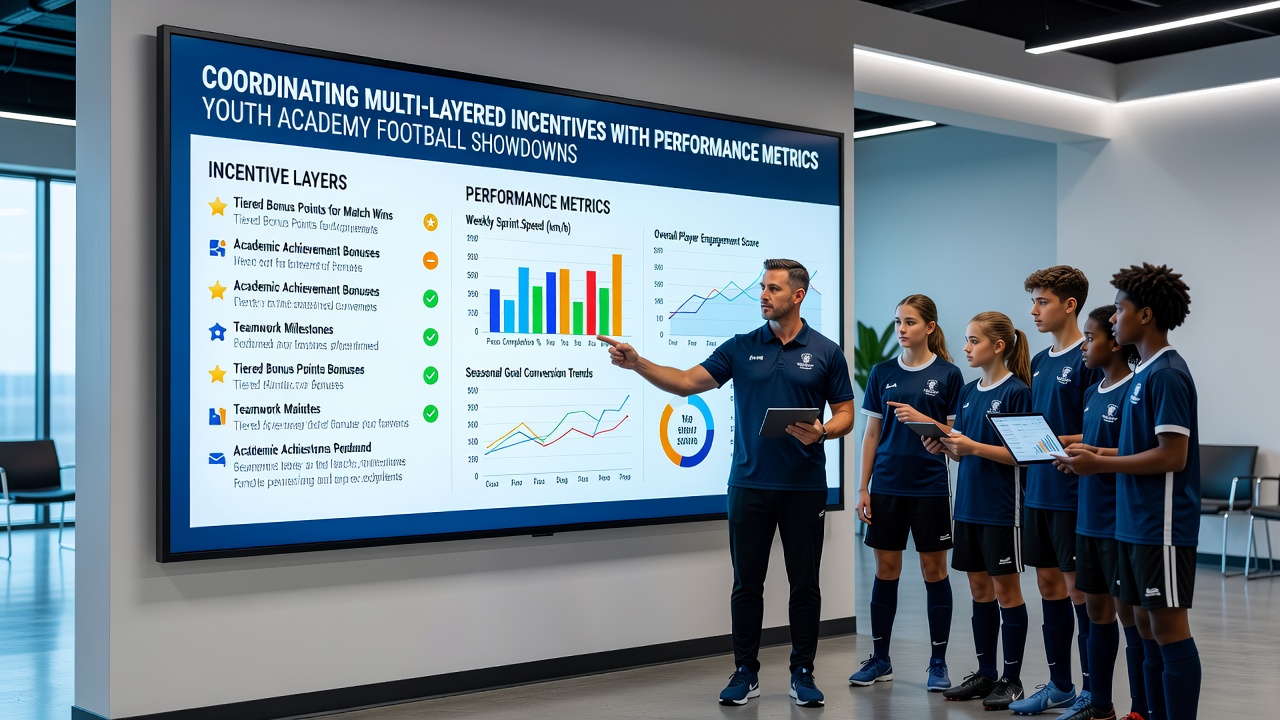
Programs typically operate on three tiers: immediate match rewards, quarterly development milestones, and annual progression reviews. A midfielder who records consistent high pressing success rates might unlock equipment upgrades in the short term, while sustained team defensive metrics across a showdown series can secure extra coaching hours or international exposure trips.
Coordinators balance these layers by weighting metrics differently according to positional demands, so goalkeepers focus on distribution accuracy and shot-stopping percentages whereas forwards emphasize conversion rates inside the box. This approach prevents one-size-fits-all targets and keeps incentives relevant across the squad.
Integration with Tournament Scheduling and July 2026 Fixtures
July showcases bring together academies from various regions, and organizers now embed performance tracking protocols into the event structure itself. Matches run under standardized rules that require post-game data submissions within two hours, feeding automated systems that determine which squads advance to incentive-linked knockout rounds.
Those who studied past cycles found that teams coordinating incentives around endurance metrics during congested July schedules maintained lower injury rates and higher consistency in later stages. Data platforms aggregate these results across continents, enabling cross-academy comparisons that refine future target setting.
Challenges in Aligning Incentives and Metrics
Balancing short-term rewards against long-term development remains an ongoing process, since overemphasis on certain statistics can skew playing styles away from creative risk-taking. Academies address this by incorporating qualitative coach assessments alongside quantitative scores, ensuring that incentive payouts reflect both measurable outputs and observed decision-making quality.
Regulatory frameworks from organizations such as Sport Australia and the Council of Europe sports division encourage transparency in how data influences player contracts, reducing disputes over metric interpretation. Academies that publish clear weighting formulas before tournaments experience fewer conflicts during post-event reviews.
Future Directions for Data-Driven Youth Development
Emerging tools combine artificial intelligence with existing tracking systems to predict how current metrics correlate with senior-level success rates, allowing academies to recalibrate incentives proactively. Pilot programs in 2026 test dynamic bonus structures that adjust targets based on opponent strength and match context, moving beyond static thresholds.
Conclusion
Coordinating multi-layered incentives with performance metrics continues to evolve as youth academy showdowns incorporate more granular data and structured reward systems. Academies that maintain clear linkages between tracked indicators and tangible outcomes demonstrate measurable gains in player consistency and squad cohesion across seasonal cycles. As July 2026 events conclude, updated datasets will inform the next round of refinements in these integrated approaches.