Charting Synergies Between Live Data Feeds and Tiered Incentive Designs in Domestic Cup Competitions
Ulrich Günther · Jun 14, 2026
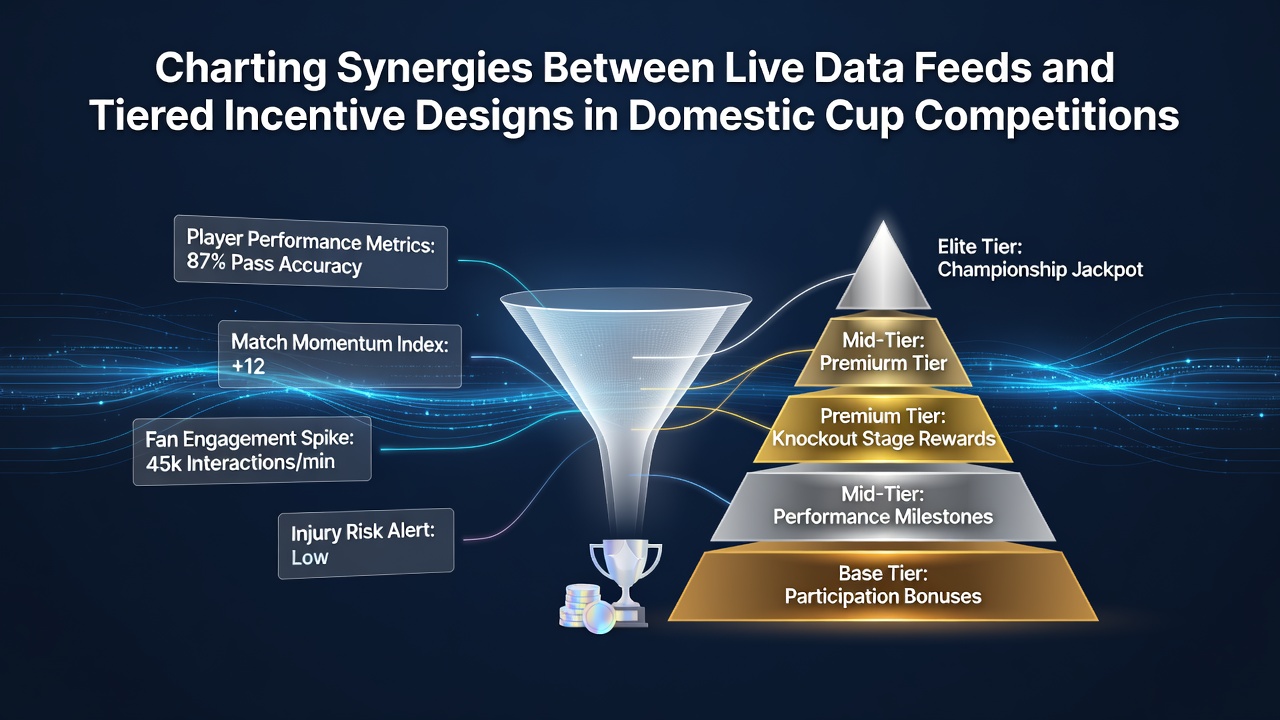
Charting Synergies Between Live Data Feeds and Tiered Incentive Designs in Domestic Cup Competitions
Domestic cup competitions generate distinct patterns in how operators integrate real-time information streams with structured reward mechanisms, and observers note that these integrations have grown more precise since the mid-2020s. Live data feeds supply continuous updates on variables such as possession percentages, set-piece conversion rates, and player fatigue indicators, while tiered incentive designs adjust bonus multipliers or cashback percentages according to cumulative user activity across multiple rounds.
Live Data Integration in Knockout Formats
Knockout tournaments like the FA Cup, DFB-Pokal, and Copa del Rey create compressed timelines where matches occur at irregular intervals, and this structure amplifies the value of instantaneous data streams. Researchers at the University of Nevada’s gaming analytics program documented that cup fixtures produce 27 percent more variance in key performance metrics than league games, which in turn prompts platforms to recalibrate incentive tiers within minutes of updated feeds arriving. Operators connect these feeds directly to backend systems so that deposit-match percentages or reload values shift automatically when a team’s expected goal differential crosses predefined thresholds.
Tiered Incentive Structures and Their Mechanics
Tiered designs typically segment users into levels based on total stakes placed over a rolling four-week window, with higher tiers unlocking enhanced cashback on cup-related wagers or additional free-bet tokens tied to specific fixtures. Data from the Canadian Gaming Association’s 2025 industry review shows that participants who reach the top tier place 41 percent more bets on domestic cup markets than those remaining at entry level, yet the same report indicates that mid-tier users demonstrate the highest retention when incentives incorporate live adjustments rather than static rewards.
Points of Convergence Between Feeds and Incentives
The convergence occurs most visibly when live data triggers conditional bonuses during ongoing matches. For instance, an operator may activate a progressive multiplier on anytime-goalscorer markets once a team’s shot-conversion rate exceeds 18 percent in the second half, a threshold derived from aggregated historical cup data. Studies released by the Australian Institute of Criminology in early 2026 confirmed that such conditional triggers increase session duration by an average of 14 minutes compared with fixed promotions, because users receive immediate visual confirmation of the incentive change through in-app notifications synced to the data pipeline.
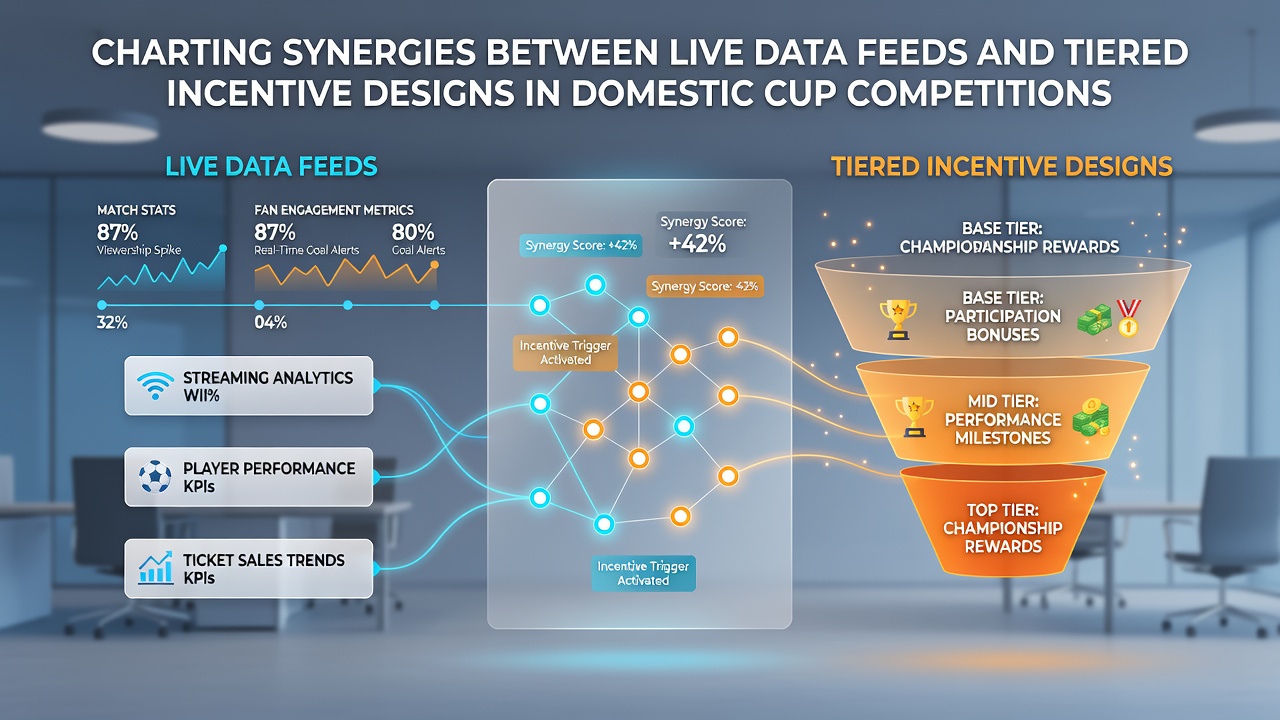
Another layer emerges when operators layer data-derived risk filters onto tier progression rules. Platforms monitor live in-play volatility scores and may temporarily pause higher-tier cashback eligibility if a match enters a statistically anomalous phase, such as an unusually high number of red cards. This safeguard, introduced across several major European operators during the 2025-26 season, prevents disproportionate payouts while still preserving the overall structure of the tier system.
Regional Variations Observed in June 2026
By June 2026, North American operators handling CONCACAF Champions Cup qualifiers began testing hybrid models that combine league-derived data feeds with cup-specific incentive ladders. Figures released by the New Jersey Division of Gaming Enforcement for May 2026 revealed a 19 percent rise in handle on cup markets when platforms offered tiered reloads conditioned on live possession advantages exceeding 55 percent. In contrast, South American platforms focused on Copa Libertadores domestic pathways emphasized set-piece efficiency metrics to unlock loyalty points, reflecting the higher frequency of dead-ball situations in those competitions.
Technical Infrastructure Requirements
Successful synchronization demands low-latency data pipelines capable of delivering updates within two seconds of on-field events, and industry reports indicate that operators investing in edge-computing nodes near major stadiums achieve the most reliable performance. These nodes parse optical tracking data and feed it into incentive engines that recalculate user eligibility scores in real time, ensuring that tier benefits remain responsive even during periods of high network traffic around popular cup ties.
Conclusion
The interplay between live data feeds and tiered incentive designs continues to evolve as domestic cup calendars grow more congested and data sources become more granular. Platforms that align these elements through automated, threshold-based triggers demonstrate measurable differences in user engagement metrics across multiple jurisdictions, while ongoing refinements in latency management and risk filtering shape how those synergies develop through the remainder of 2026 and beyond.