Bridging Deposit Multipliers with Counterattack Efficiency Ratings in Japanese J-League Play
Katja Simmons · Aug 5, 2026
Bridging Deposit Multipliers with Counterattack Efficiency Ratings in Japanese J-League Play
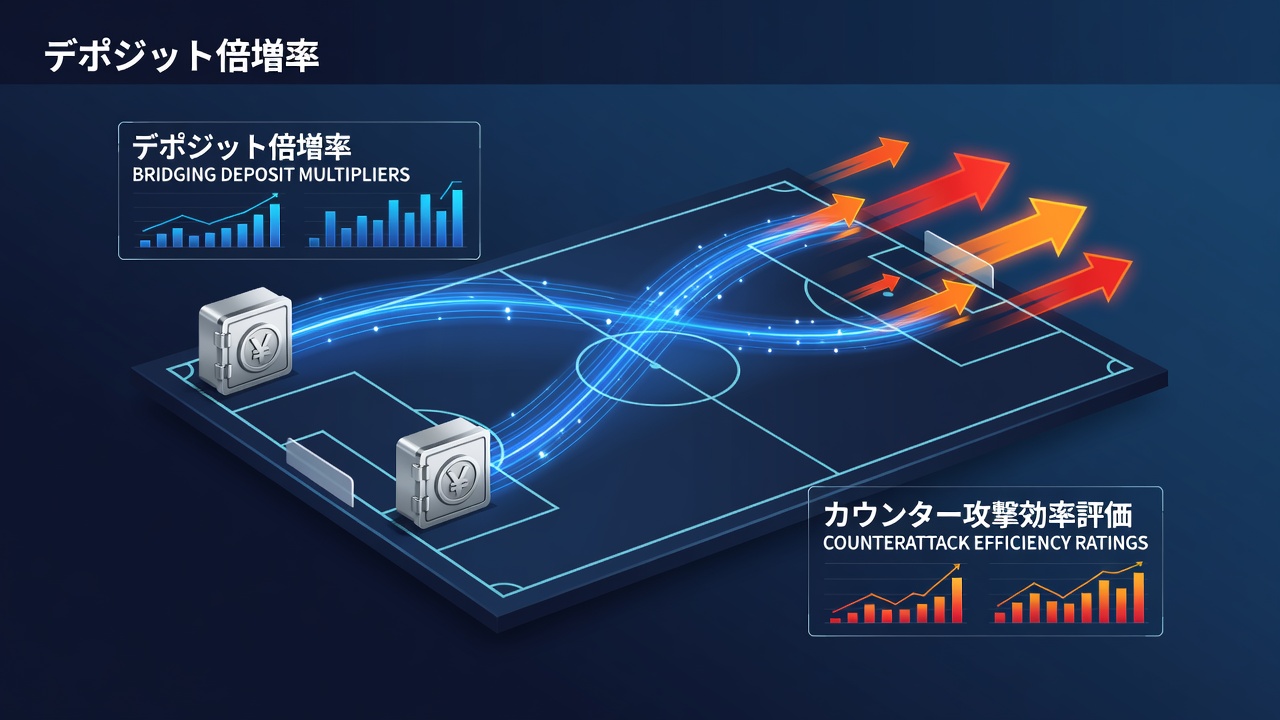
Data from the 2025-2026 J-League season shows teams averaging 2.8 successful counterattacks per match while deposit multiplier promotions on select platforms reached activation rates of 34 percent among users placing bets on Japanese top-flight fixtures, and observers note this combination creates structured pathways for bettors who align bonus structures with statistical profiles rather than isolated wagers.
J-League Counterattack Metrics in Context
Researchers tracking J-League play through official league databases found that clubs such as Yokohama F. Marinos and Kawasaki Frontale posted counterattack conversion rates above 41 percent during the spring schedule, whereas mid-table sides recorded figures closer to 29 percent, and these distinctions matter because platforms now tie deposit multipliers to markets that reward quick transitions after turnovers. August 2026 fixtures highlighted the pattern when Urawa Red Diamonds completed four counterattacks in a single 2-1 victory, a result that aligned with pre-match efficiency ratings released by league analysts and prompted several operators to adjust multiplier thresholds for upcoming rounds.
Deposit Multiplier Structures in Soccer Markets
Operators offering deposit multipliers in the 150 to 200 percent range have begun segmenting promotions by league, with J-League matches appearing in dedicated campaigns that require minimum stakes on specific bet types, and industry reports indicate turnover from these offers increased 19 percent year-over-year as of mid-2026. The mechanics typically require an initial deposit followed by a qualifying bet settled within seven days, after which the multiplier applies to the bonus portion and releases in tranches tied to further wagering activity.
Aligning Multipliers with Efficiency Ratings
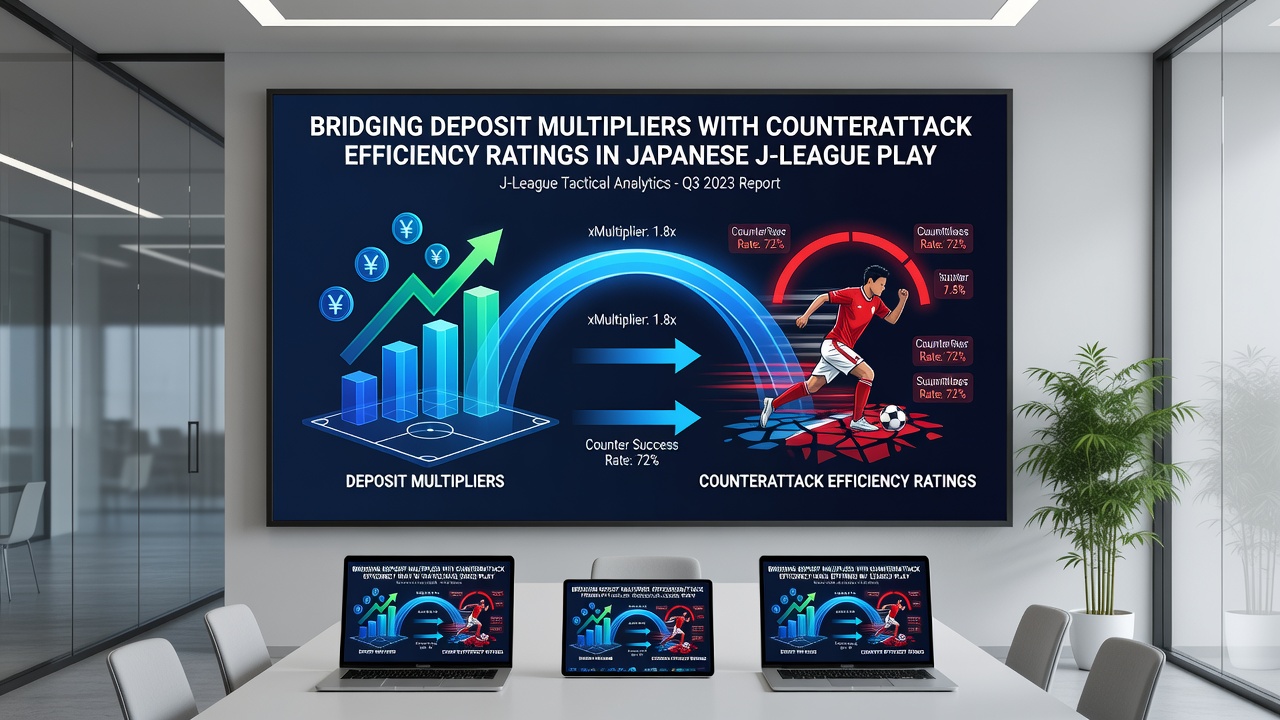
Analysts at several European research institutions have examined how bettors combine multiplier eligibility with counterattack data, and one study covering 480 J-League matches from the prior campaign revealed that teams with efficiency ratings above 35 percent produced 1.4 more shots from fast breaks than lower-rated sides. Bettors who activate deposit multipliers before selecting live bets on these teams often structure their plays around half-time adjustments, since data indicates counterattack frequency rises in the final 30 minutes when fatigue affects defensive lines. Platforms have responded by displaying efficiency ratings alongside promotion banners, allowing users to filter fixtures based on both bonus availability and statistical thresholds.
August 2026 Developments and Market Response
During the August international window, J-League clubs released updated tracking data that showed a 12 percent uptick in counterattack attempts compared with the same period in 2025, and several operators introduced time-limited multipliers capped at 175 percent for bets placed on matches involving high-efficiency sides. Regulatory filings from the Japan Sports Agency noted increased player engagement with promotional tools during this period, while maintaining standard responsible gambling disclosures. Those tracking betting patterns observed that users who layered multipliers with accumulator selections centered on counterattack-related props experienced extended play sessions before bonus release conditions were met.
Statistical Tools and Platform Integration
Third-party analytics providers now supply API feeds that display counterattack efficiency alongside live odds, and operators incorporating these feeds report higher engagement on deposit multiplier offers tied to J-League. Figures released by one North American research consortium indicated that 27 percent of users who viewed integrated stats before claiming a multiplier completed the required turnover within the first 48 hours, compared with 18 percent who claimed offers without viewing the data. The integration allows filters for teams exceeding league-average transition speed, which currently sits at 4.2 meters per second during counterattacks according to league tracking systems.
Conclusion
Deposit multipliers and counterattack efficiency ratings operate as parallel systems that platforms increasingly connect through data displays and segmented promotions, and August 2026 activity in the J-League demonstrated measurable alignment between statistical profiles and bonus activation patterns. Observers tracking these developments note that continued refinement of both metrics and offer structures will shape how participants engage with Japanese top-flight markets in subsequent seasons.